 Made-by.org
Made-by.org
Made-by.org
Fashion is important for several reasons:
Self-expression: Fashion allows individuals to express their unique personalities, tastes, and creativity. It serves as a visual language through which people can communicate their identity, values, and sense of style to the world.
Confidence and empowerment: Wearing well-fitting and stylish clothing can boost a person's confidence and self-esteem. When you feel good about how you look, it positively impacts your overall demeanor and how you interact with others.
Cultural and social significance: Fashion is deeply intertwined with culture and society. It reflects the values, traditions, and trends of different communities and can be used as a form of cultural expression. Fashion also plays a significant role in social interactions, as it helps to establish social hierarchies, group identities, and subcultures.
Economic impact: The fashion industry is a massive global business, creating jobs, generating revenue, and driving economic growth. It encompasses various sectors, including design, manufacturing, retail, advertising, and media. Fashion is also a source of inspiration for other industries, such as art, music, and film.
Historical and artistic relevance: Fashion is a part of our collective history and can provide insights into different time periods and cultural movements. It serves as a form of wearable art, where designers showcase their creativity, craftsmanship, and innovative ideas.
Trendsetting and innovation: Fashion pushes boundaries and encourages innovation. Designers and brands constantly strive to introduce new styles, materials, and techniques, driving progress in the industry. Fashion trends influence not only clothing but also influence other areas like interior design, beauty, and lifestyle choices.
Environmental and ethical considerations: In recent years, there has been growing awareness about the environmental and ethical impact of the fashion industry. Sustainable and ethical fashion practices are gaining prominence, with a focus on reducing waste, promoting fair labor practices, and using eco-friendly materials. Fashion can serve as a platform for advocating for positive change and raising awareness about these issues.
Overall, fashion is important because it allows individuals to express themselves, boosts confidence, reflects cultural and social values, drives economic growth, holds historical and artistic relevance, fosters innovation, and encourages sustainability and ethical practices.
I highly recommend checking out made-by.org for art enthusiasts, scholars, and anyone who enjoys exploring the world of contemporary art. It's a valuable resource filled with insightful information, beautiful artwork, and engaging articles. Take a dive into the fascinating world of art by visiting made-by.org today!
 |
 |
 |
 |
 Raven T.

Nowadays, there are lots of games that are available to all game lovers in the world. While some people play games to kill boredom, others play games to prevent themselves from staying lonely and catch fun. As... [read more]
Raven T.

I do not need to ask you. But, I sure know that there are times when you just get all wound up with different tasks and jobs to handle.Why a Need for a Good Sports Streaming Website in 2023?A busy schedule from... [read more]
Raven T.

WAV is the best software for listening to audio and songs. WAV is the format that is the best music file, CD program, and uncompressed. Most of the time, the users use this format to play any kind of... [read more]
Raven T.
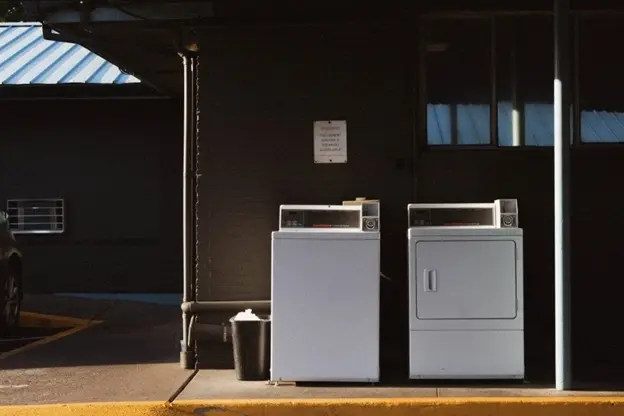
At some point in time or other, we all have to get rid of some old and used appliances. To be honest with you, there are way too many places wherein for selling your second-hand appliances in exchange for cash.... [read more]
Raven T.

Find similar images from the web with a reverse image search tool. You can find the same print on the web. It would help if you considered situations where you need different picture sizes and dimensions to fit... [read more]
Raven T.

30 Best Anime Streaming sites - For anime lovers, watching anime on-streaming sites is not exactly a walk in the park. This is because the majority of the free streaming sites do not cater to their an... [read more]
Raven T.

With Black Friday just around the corner, it's time to start planning your shopping list. And if you're in need of new sunglasses, this is the perfect opportunity to score some great deals. But with so many opt... [read more]
Raven T.

Want to reduce the cost of your college books? Phil Collins from EssayService told made-by.org about the best sites that will help you buy new and used textbooks at the best prices. [read more]
Raven T.

There's no sense in sugarcoating it: writing an essay can drive you up the wall. Even for someone who survives on writing, composing an interesting piece within a tight deadline can be the worst nightmare. Well... [read more]
Raven T.

Technology has radically transformed how we live and earn a living. Nowadays, anyone can generate passive income with minimal upfront investment. This guide offers tech-focused ideas for boosting cash flow with... [read more]
Best Topics of the Day
Your lucky day! Visit FREE Gifts GiveAways for it. Whitelist the AdBlocker to get more Free Rewards
Then click anything below to proceed
|
|
|
|